
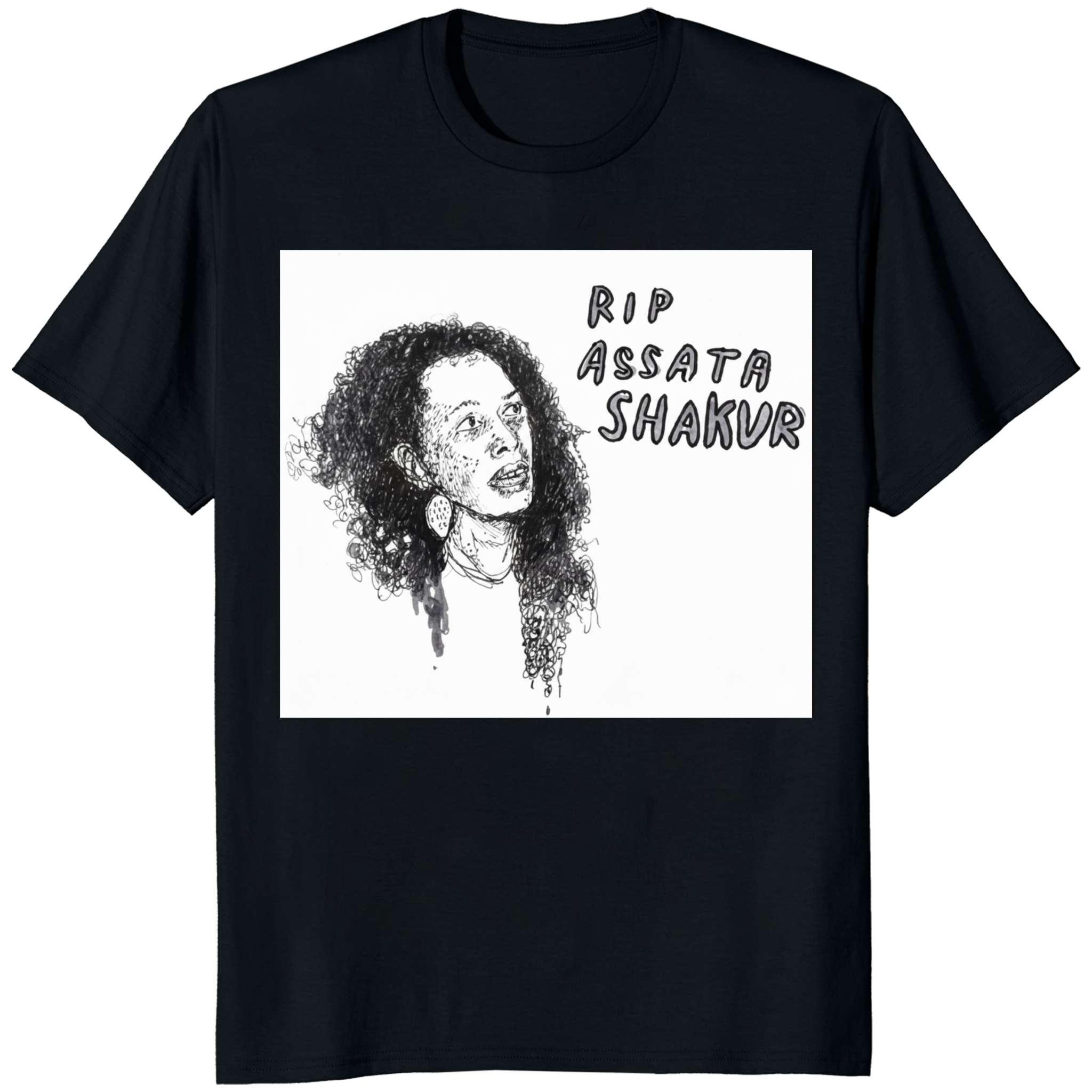
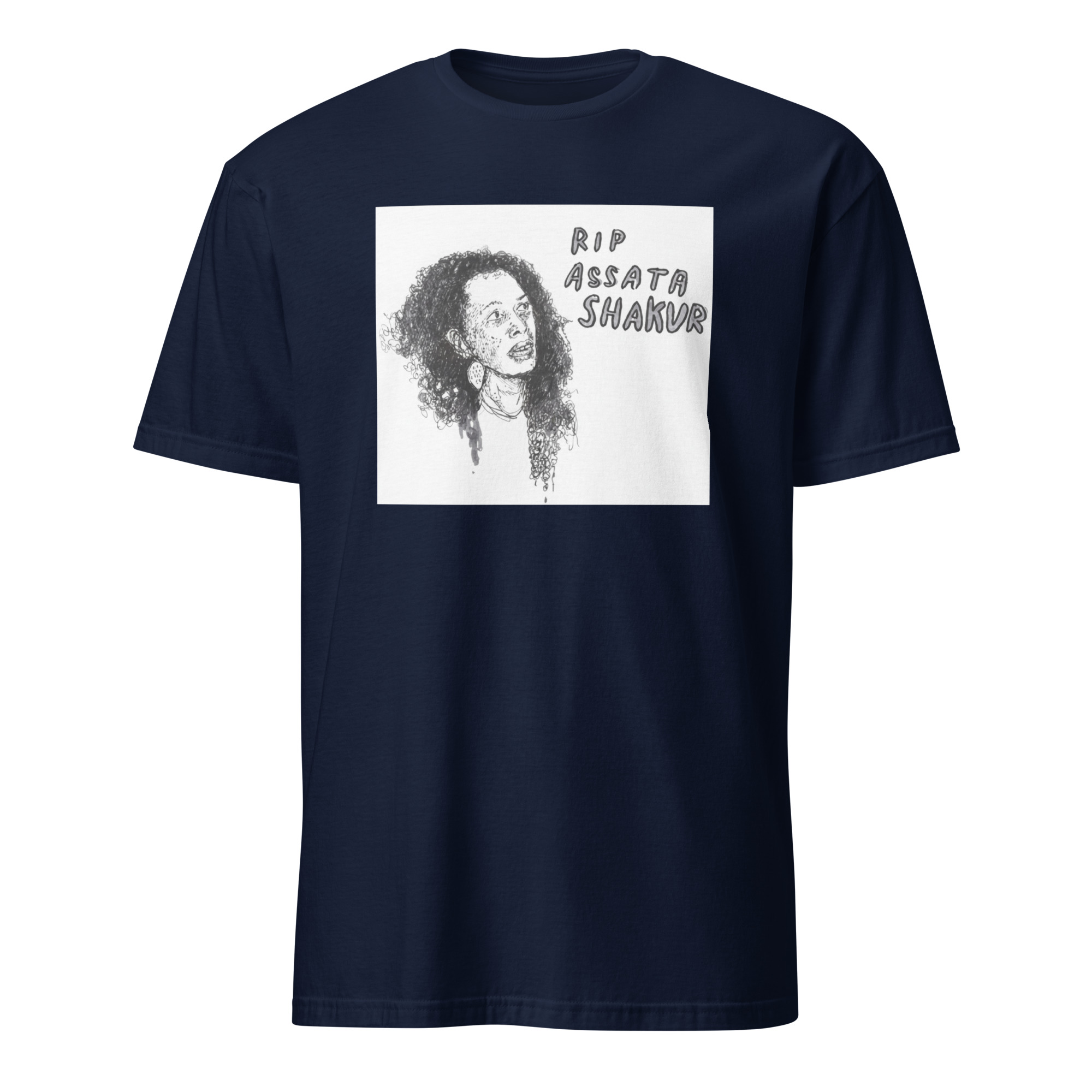
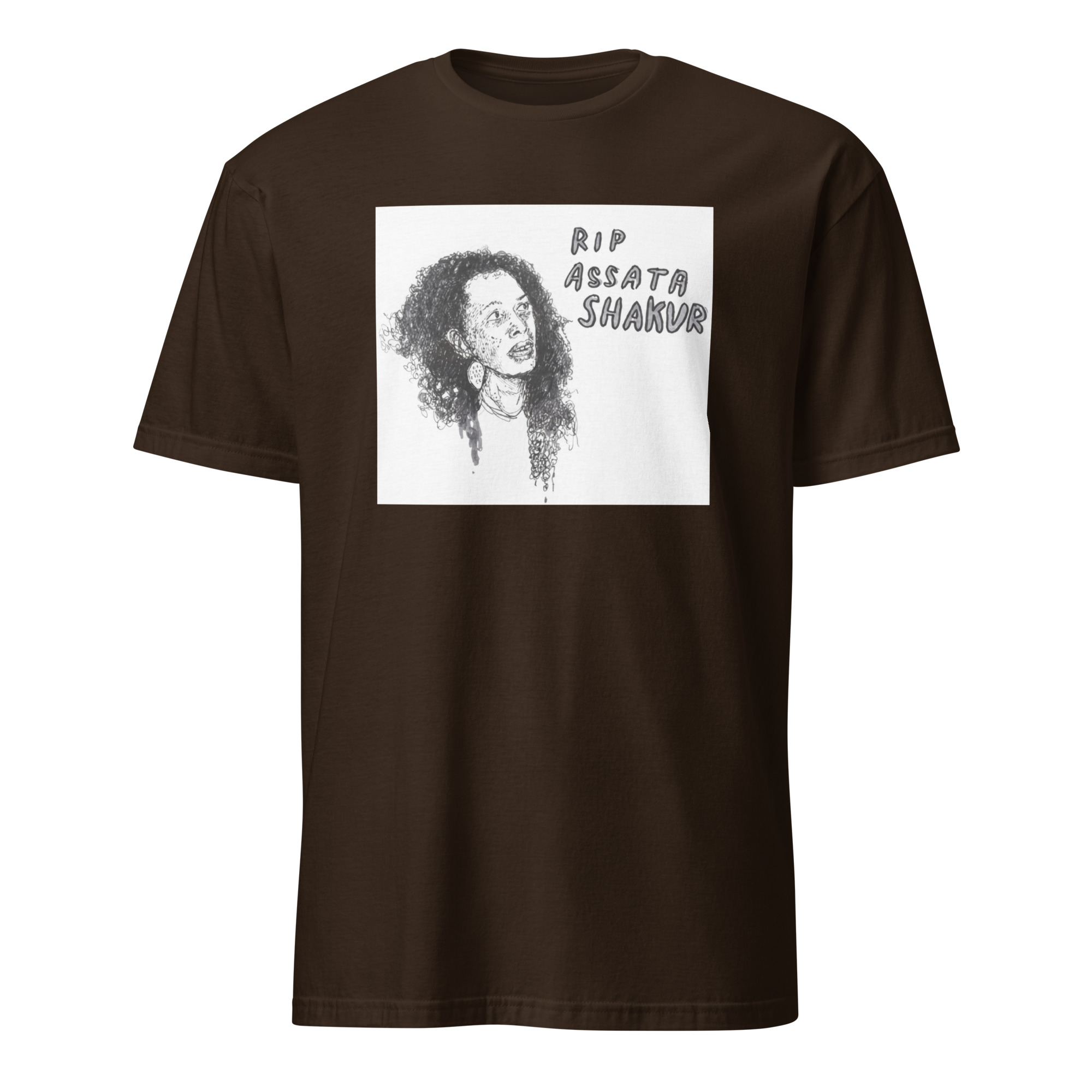
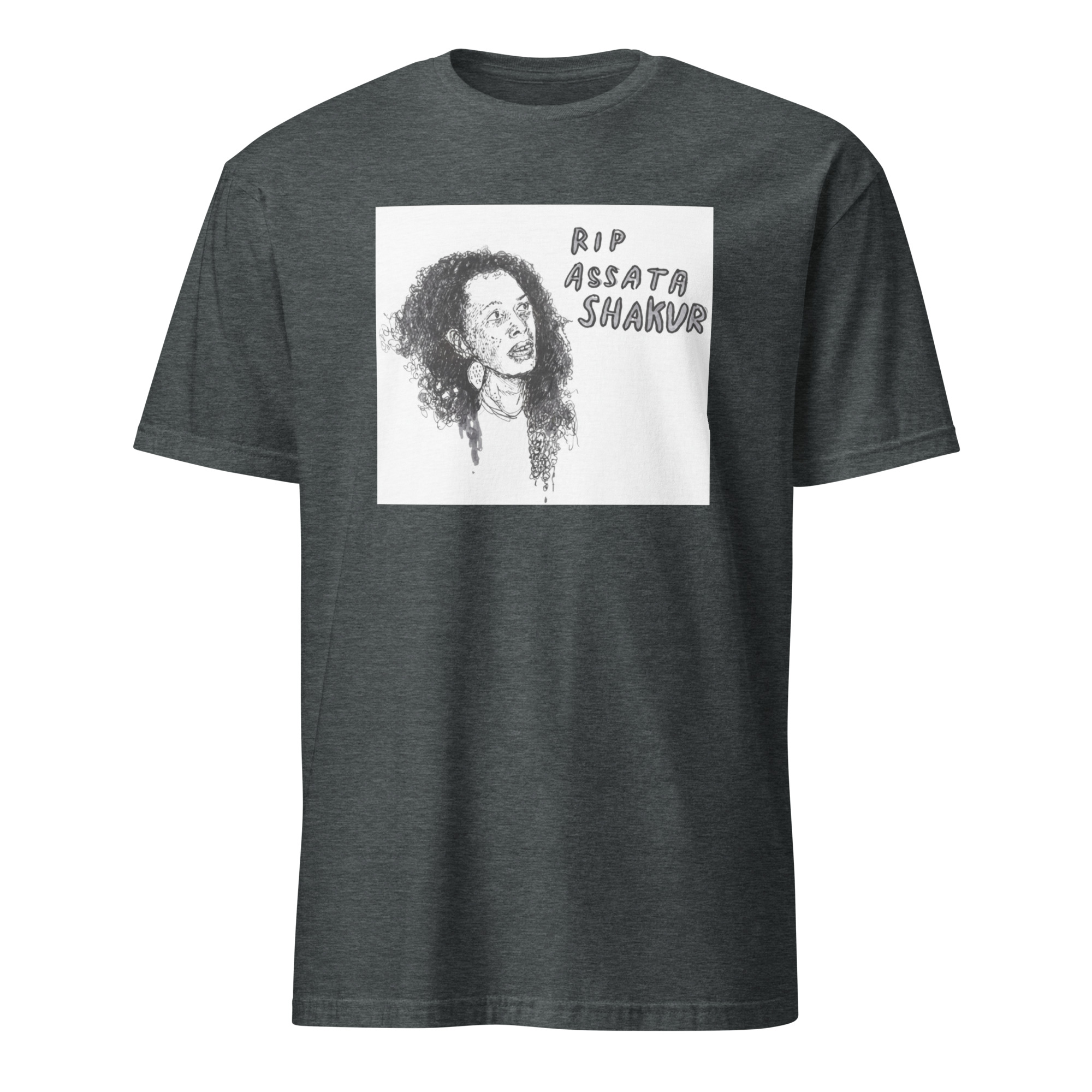
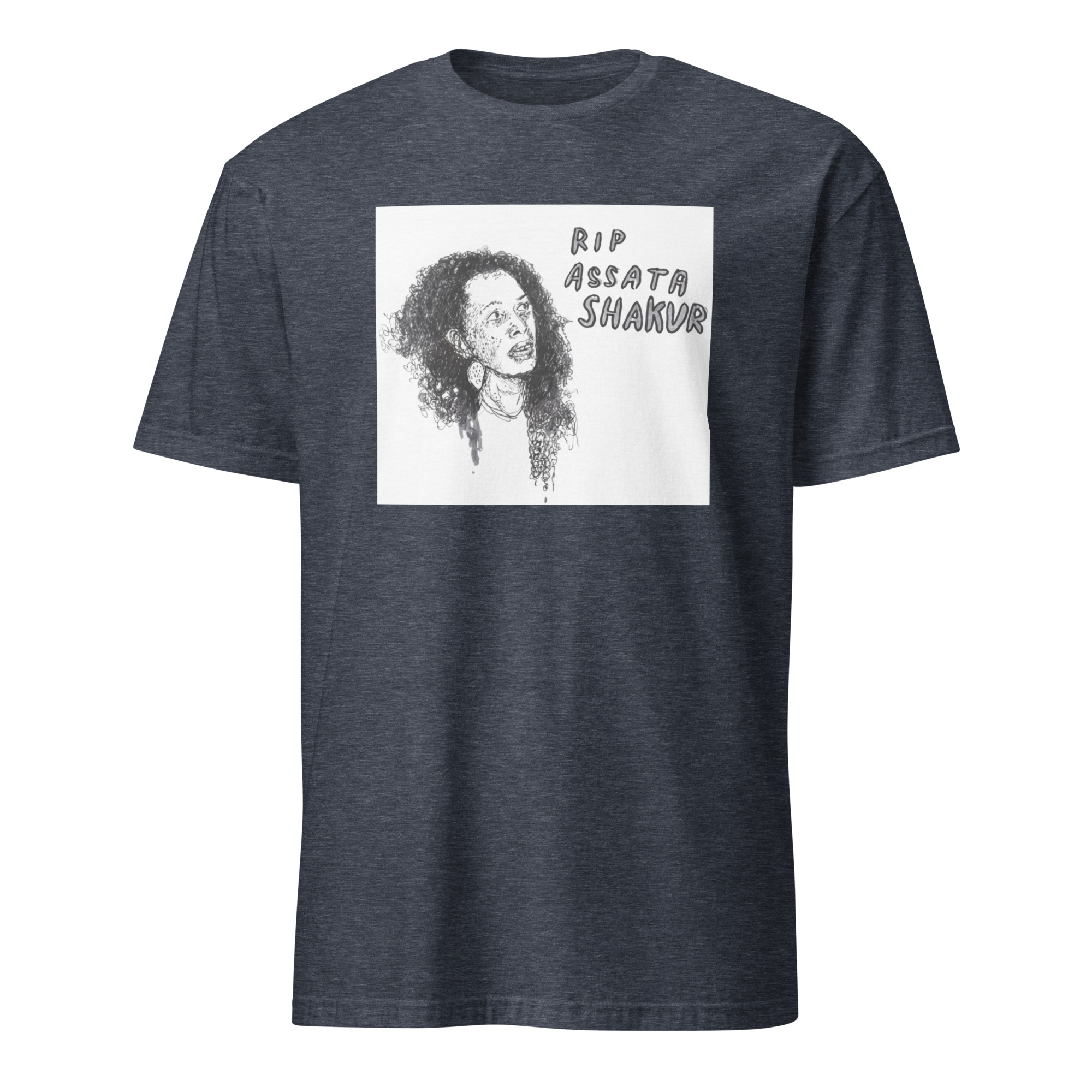
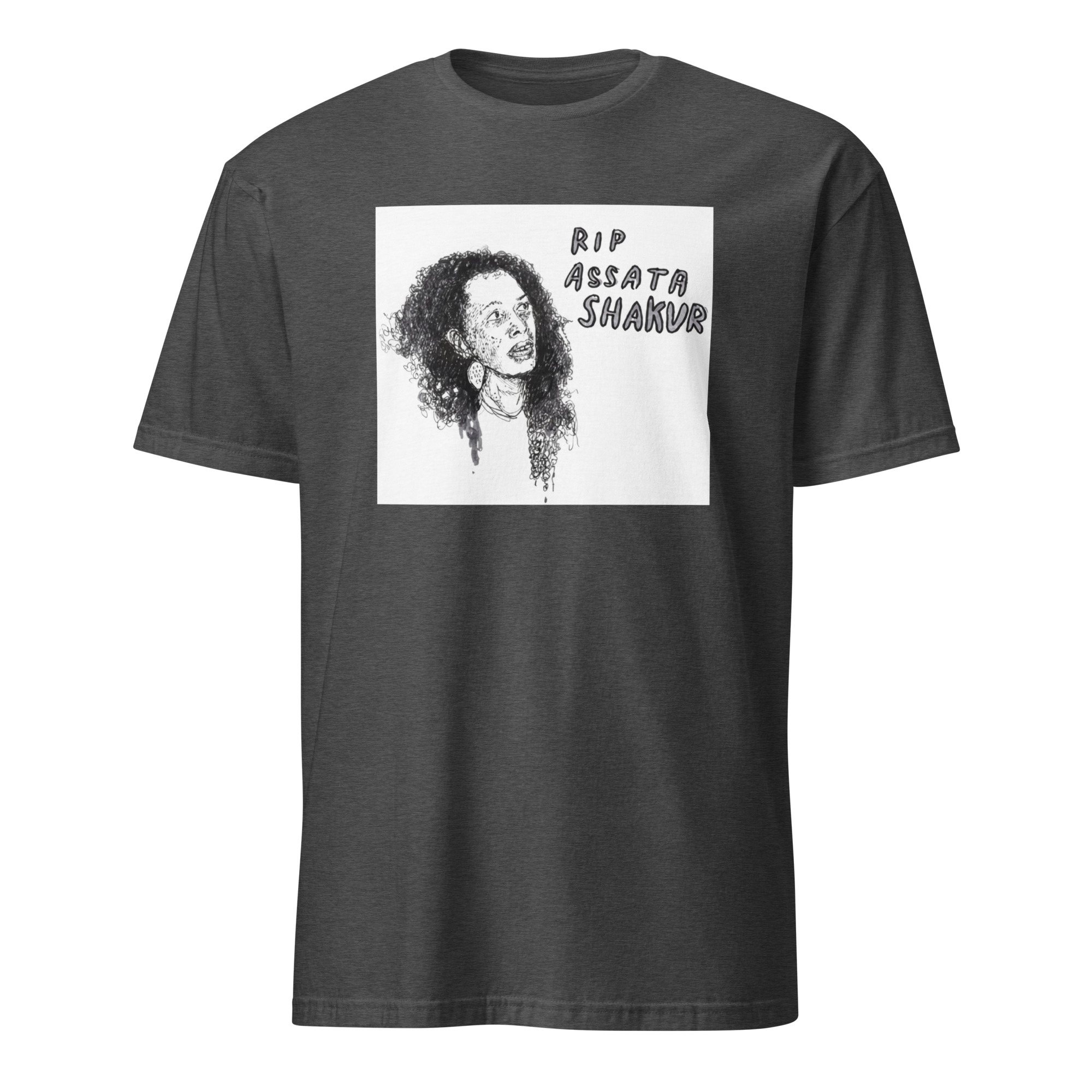


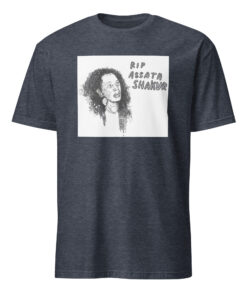

Assata Shakur Shirt: Fashion, Resistance, and the Politics of Wearable History
Introduction to the Assata Shakur Shirt
The Assata Shakur shirt has become more than just apparel—it’s a political statement, a cultural marker, and a reminder of ongoing struggles for liberation. Fashion has always been a space where activism finds expression, and today’s protest apparel continues that tradition. Among the most powerful examples is the Assata Shakur shirt, which places a controversial yet deeply symbolic figure directly on the body of the wearer.
This article unpacks the cultural, political, and ethical dimensions of the Assata Shakur t-shirt. From Assata’s biography to the symbolism of its design, we’ll explore how this piece of clothing is more than fabric—it’s a tool of education, resistance, and collective memory.
Who is Assata Shakur?
Understanding the meaning of the shirt requires knowing the woman behind the name. Assata Shakur’s biography traces her path from JoAnne Chesimard, born in 1947, to one of the most well-known figures in modern Black liberation history. She became a member of the Black Panther Party, an organization that fought systemic racism and police brutality during the late 1960s.
Her activism later led her to the Black Liberation Army, a group committed to resisting state violence against Black communities. In 1973, Shakur was involved in a turnpike shootout in New Jersey that left a state trooper dead. Convicted in 1977, she later escaped prison and was granted asylum in Cuba, where she lives today.
The FBI lists her as one of its Most Wanted Terrorists. Yet to activists, she remains a symbol of resilience and political courage. Her autobiography, Assata, is widely studied and cited in activist spaces, ensuring that her story continues to inspire youth movements.
The Rise of Political Apparel
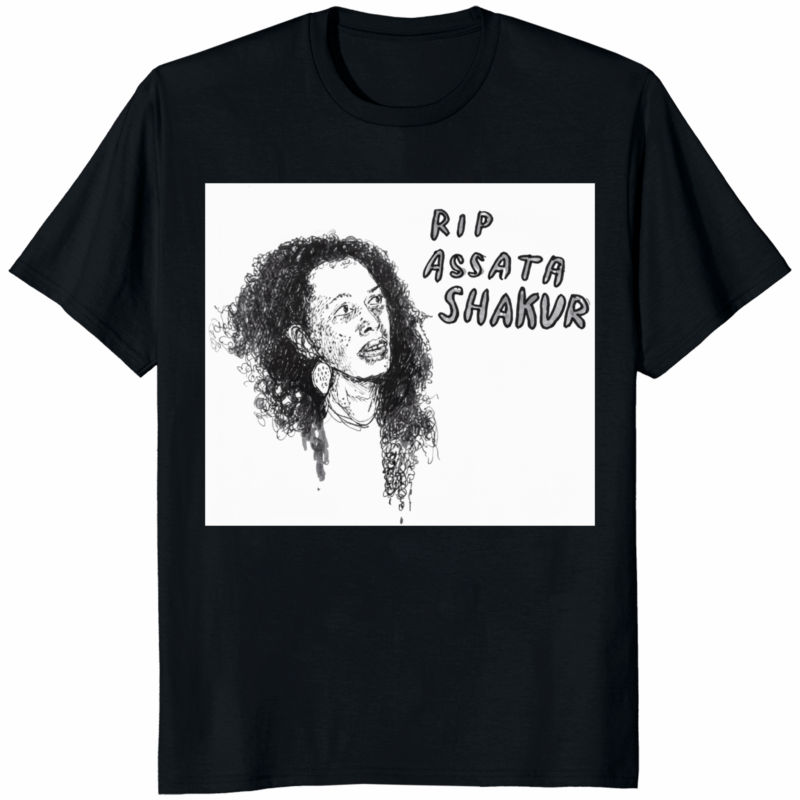
The Assata Shakur shirt is part of a long lineage of protest fashion. Political apparel has shaped social movements for decades. From suffragette sashes to anti-war jackets in the 1960s, clothing has served as a canvas for activism.
According to the Museum at FIT, fashion has consistently intersected with politics, whether through the iconic Che Guevara shirt, Malcolm X tees, or Angela Davis imagery. Each became a wearable form of protest, a way to spread radical messages beyond speeches and books.
The Assata Shakur t-shirt continues this tradition by symbolizing:
-
Black liberation and resistance to systemic oppression
-
Radical Black feminism and empowerment
-
The reclaiming of revolutionary figures from state-driven narratives
-
The blending of activism, fashion, and identity
By wearing Assata’s name, individuals carry a message of solidarity and defiance, making fashion itself a frontline of political struggle.
Design, Aesthetic, and Quality of the Assata Shakur Shirt
The aesthetic of Assata Shakur shirts often mirrors revolutionary art. Popular design elements include:
-
Pan-African colors (red, black, green) symbolizing blood, people, and land
-
Bold protest-style fonts
-
Portraits of Assata accompanied by slogans like “Assata Taught Me” or “Power to the People”
-
Vintage, distressed prints that echo underground movement posters
But the design is only one side of the story. The quality of the shirt itself matters. Many are produced on high-quality staple tees, offering comfort and durability:
-
100% ring-spun cotton for softness and breathability
-
Sport Grey blends (90% cotton, 10% polyester) for variety
-
Dark Heather blends (65% polyester, 35% cotton) for extra flexibility
-
Lightweight yet sturdy at 4.5 oz/yd² (153 g/m²)
-
Shoulder-to-shoulder taping for reinforced seams
-
Double stitching on the neckline and sleeves for long-lasting wear
-
Quarter-turned design to avoid crease down the center
This makes the Assata Shakur t-shirt not only a political statement, but also a comfortable everyday staple, perfect for layering at rallies, protests, or casual wear.
Where to Buy: Ethical vs. Commercial Options
When purchasing an Assata Shakur shirt, the source matters. Independent collectives and activist-driven projects create shirts with intentionality, ensuring that revenue supports Black-owned clothing brands and community empowerment.
By contrast, commercial platforms may strip the shirt of its radical meaning, turning it into nothing more than a trendy graphic tee. This raises important ethical questions:
-
Should revolutionary fashion be commodified?
-
Who benefits when activist imagery is sold without context?
-
How can buyers ensure authenticity?
For those seeking to honor the legacy of Assata Shakur, buying from activist-supporting brands is the most responsible choice. This way, fashion remains tied to its political roots rather than corporate profit.
Cultural Controversy and Criticism
Wearing an Assata Shakur shirt is not without controversy. Because she remains on the FBI’s Most Wanted Terrorists list, critics claim the shirt glorifies violence. Some schools and workplaces have banned the apparel, citing security or neutrality concerns.
Supporters, however, view these bans as censorship and argue that they erase important histories of Black struggle. They insist the shirt honors Assata not as a criminal, but as a survivor of political repression.
This tension reveals deeper cultural battles:
-
Who defines history—state institutions or communities in resistance?
-
Does fashion trivialize activism, or does it keep it alive?
-
Can wearing a shirt truly be an act of political resistance?
The controversy itself highlights the power of clothing to provoke dialogue and challenge dominant narratives.
The Symbolism Behind the Shirt
At its core, the Assata Shakur shirt represents resistance. For many, it is a wearable symbol of:
-
Liberation struggles against systemic racism
-
The endurance of Black feminism and radical thought
-
Solidarity with political prisoners
-
The idea that clothing can be identity and protest combined
Youth and activists wear Assata’s name not only to honor her, but to claim continuity with her fight. Fashion here becomes a living archive of resistance, ensuring that her legacy cannot be erased.
Assata Shakur Shirts in Modern Movements
In recent years, Assata shirts have resurfaced strongly within Black Lives Matter and other racial justice movements. They have been spotted at:
-
Protests and rallies for police accountability
-
Cultural festivals celebrating Black art and identity
-
Community spaces advocating radical political education
The shirts connect past struggles to present-day activism, reminding wearers and observers that the fight for justice is ongoing. They also tie into broader themes of radical Black feminism, intersectionality, and global solidarity.
Intersections of Fashion, Education, and Art
Some projects use Assata Shakur apparel as tools of education. For example, initiatives like The Black School create T-shirts alongside youth mentorship, workshops, and political consciousness training.
Here, fashion merges with pedagogy. Shirts are not just sold, but used as entry points for deeper conversations about race, justice, and liberation. The art of message-making through clothing transforms classrooms, streets, and cultural spaces into sites of activism.
This intersection of design, art, and education proves that protest fashion can serve multiple functions: resistance, remembrance, and empowerment.
Ethical Fashion & On-Demand Production
The Assata Shakur shirt also intersects with the slow fashion movement. Slow fashion emphasizes ethical, sustainable production, often using made-to-order models to reduce waste.
For activist clothing, this approach is particularly important:
-
It avoids the exploitative labor practices of fast fashion
-
It aligns with community-based values of justice and empowerment
-
It ensures that political messages are not undermined by unsustainable production
By pairing revolutionary imagery with eco-conscious methods, ethical apparel reinforces the message that liberation must include both people and the planet.
People Also Ask – FAQ Section
What does the Assata Shakur shirt mean?
It represents solidarity with Black liberation, resistance to oppression, and remembrance of Assata’s struggle as both activist and exile.
Who wears Assata Shakur shirts?
They are worn by activists, students, and artists who align with radical Black feminism, social justice movements, and liberation struggles.
Why is Assata Shakur controversial?
Because she was convicted of murder and escaped to Cuba, the FBI calls her a terrorist. Supporters see her as a political prisoner who was unfairly targeted.
Is it legal to wear Assata Shakur clothing?
Yes. Wearing such clothing is a matter of free expression, though bans in schools or workplaces sometimes spark legal and cultural debates.
Where can I buy ethical activist apparel?
Ethical options include Black-owned brands, independent collectives, and activist-driven shops that reinvest proceeds into community work.
What does “Power to the People” on the shirts signify?
It is a slogan of collective resistance, used by the Black Panthers, meaning liberation must come from grassroots power.
Final Thoughts: Wearing History with Intention
Wearing an Assata Shakur shirt is not about fashion alone—it is about intention. Each shirt carries history, memory, and resistance on its fabric.
To wear Assata’s name is to:
-
Recognize her role in liberation struggles
-
Refuse erasure by state-driven narratives
-
Use fashion as an extension of political activism
And because these shirts are produced with soft, durable materials like 100% ring-spun cotton, reinforced with double stitching, and designed for long-term wear, they combine comfort and message. This duality ensures that activism is not only carried in spirit but also in everyday practice.
Ultimately, it’s a reminder that clothing is never just clothing—it’s a language of resistance.



Reviews
There are no reviews yet.