
Prichard Colón Dies at 33: A Tragic Loss for Boxing
Aug
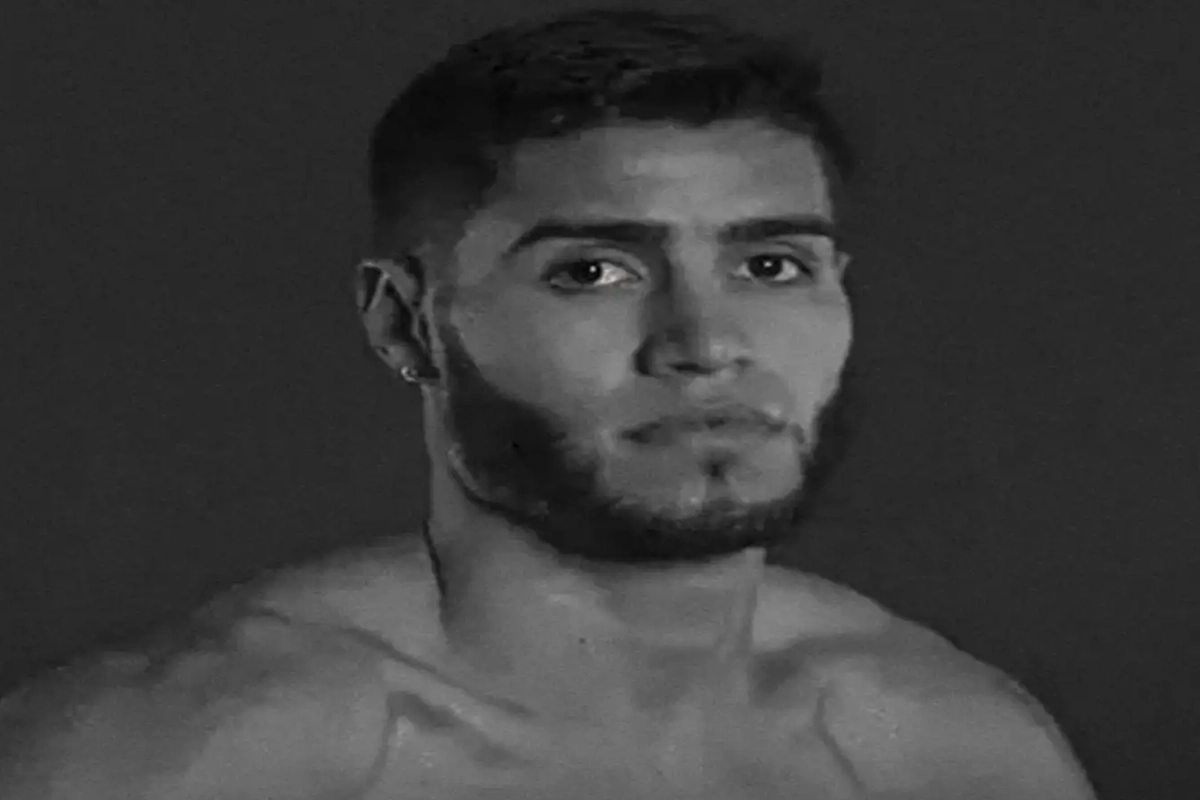
Prichard Colón dies at 33, nearly 11 years after the former Puerto Rican boxer sustained a catastrophic brain injury in his final professional bout. His father, Richard Colón, announced his death on Thursday, August 13, 2026.
The family’s announcement did not state a cause of death, according to current reporting from ABC News. That distinction matters: Colón lived with severe neurological disabilities after his October 2015 fight against Terrel Williams, but no official statement reviewed for this report has identified the medical cause of his death.
Colón’s passing has brought tributes from boxing organizations and fans who followed both his promising career and the long years of care provided by his family. It has also returned attention to a painful question that has followed his story for more than a decade: how can boxing better protect fighters when warning signs appear?
Prichard Colón Dies at 33 After Years of Family Care
Richard Colón shared the news of his son’s death through social media. The World Boxing Council’s official memorial dated the announcement to August 13 and offered condolences to Colón’s parents, family and Puerto Rico.
The World Boxing Organization also paid tribute through its president, Gustavo Olivieri. The organization remembered Colón for the courage and perseverance that came to define his life beyond the ring, as documented in the same ABC News report.
Prichard Colón was born on September 19, 1992, in Maitland, Florida, and represented Puerto Rico as a boxer. He was 23 when his professional career ended and 33 when he died.
The news that Prichard Colón dies at 33 is especially difficult for followers who watched his parents devote years to his rehabilitation. Richard and Nieves Colón became central figures in his story, managing demanding daily care while continuing to share signs of progress with supporters.
The October 2015 Fight That Changed His Life
Colón entered his October 17, 2015 bout against Terrel Williams as an unbeaten prospect. The scheduled 10-round super-welterweight contest took place at EagleBank Arena in Fairfax, Virginia.
Contemporary reporting and the official record require careful wording. A Reuters report published the day after the fight said video showed Williams landing a blow to the back of Colón’s head in the seventh round. Williams was penalized for the illegal punch. Colón was later knocked down twice in the ninth.
Colón’s corner removed his gloves after that round, mistakenly believing the bout was over. When the error was recognized, too much time had elapsed, and Colón was disqualified before the 10th round. His official record therefore lists a disqualification loss rather than a knockout.
After the contest, Colón showed symptoms of head trauma in the dressing room. Reports from the time said he became dizzy, vomited and lost consciousness. He was transported to a hospital and underwent emergency surgery to relieve pressure on his brain.
Colón remained in a coma for 221 days. The injury caused lasting neurological damage and ended his boxing career after only 17 professional bouts.
An important later finding adds context without erasing the tragedy. In 2016, Virginia’s Department of Professional and Occupational Regulation said its review found no wrongdoing by the event organizers. The regulator said it could not identify a single action or failure so clearly egregious that one individual should be held responsible. That conclusion does not change the documented sequence of the bout or the devastating outcome.
A Career That Had Been Filled With Promise
Before the Williams fight, Colón had won his first 16 professional contests. The BoxRec record for Prichard Colón lists 13 knockout victories, three decision wins and the final disqualification loss, giving him a career mark of 16-1.
He fought professionally from 2013 through 2015 and competed as a super welterweight. His final victory came against former world champion Vivian Harris in Toronto on September 11, 2015, when Colón won by fourth-round knockout.
His experience extended well beyond the professional ranks. The WBC reported that he won five amateur titles before turning professional. In 2021, the organization named him an honorary WBC champion, recognizing his resilience and the extraordinary work of his family.
Those achievements explain why Prichard Colón was viewed as a rising talent rather than simply another fighter on an undercard. At 23, his athletic future appeared open. The final bout changed the direction of his life in a matter of hours.
Rehabilitation Brought Meaningful Signs of Progress
Early medical assessments were bleak. In 2017, doctors described Colón as being in a persistent vegetative state, and he required care around the clock.
His later progress showed why it is important not to freeze his story at that moment. By 2019, The Washington Post documented his rehabilitation, including communication through facial gestures, vocal sounds and an eye-tracking computer. He also used a recumbent bicycle and practiced assisted steps during therapy.
These gains did not undo his profound disabilities, but they reflected years of rehabilitation and sustained family support. They also gave supporters a fuller picture of Colón as a person actively engaged in therapy, not only as the subject of a tragic fight.
For nearly 11 years, his parents’ care became inseparable from his public story. Boxing bodies repeatedly recognized that dedication in their tributes. As Prichard Colón dies at 33, much of the sport’s grief is directed not only toward the career he lost but also toward the family that accompanied him through every stage of recovery.
Prichard Colón Dies at 33 as Boxing Reflects on Safety
Rabbit punches—blows directed at the back of the head or base of the skull—are prohibited because of the danger they pose. Colón’s case became one of boxing’s most widely cited warnings about enforcing that prohibition and responding quickly when a fighter reports symptoms.
The WBC said in its 2021 profile of Colón that it introduced a zero-tolerance measure known as the “Prichard Colón Rule” in 2016. Its purpose was to emphasize warnings about rabbit punches before bouts and reinforce enforcement during competition.
No combat sport can eliminate every risk, and Colón’s story should not be reduced to a slogan. It does, however, show why referees, corners, ringside physicians, commissions and promoters form a shared safety system. Each has a different responsibility, but all must recognize that neurological symptoms can develop rapidly and that a fighter’s willingness to continue is not the only factor that matters.
The fact that Prichard Colón dies at 33 does not, by itself, establish his medical cause of death. It does make the long-term human consequences of his 2015 injury impossible to overlook. Responsible coverage should preserve both truths.
How the Boxing World Remembered Prichard Colón
The WBC called Colón a symbol of resilience, faith and dignity. The WBO emphasized his courage, strength and fighting spirit, while also recognizing the unwavering support of his family.
Those tributes focus less on championships than on endurance. Colón never received the opportunity to discover how far his professional talent might have taken him. Instead, his legacy came to include his rehabilitation, the devotion of his parents and the safety conversations his case inspired.
For fans, the appropriate response is remembrance without turning his suffering into spectacle. The verified story is powerful enough: a gifted young athlete endured a life-changing injury, his family stood beside him for more than a decade, and the boxing community continued to regard him as a champion.
Sports Culture and Respectful Remembrance
Sports memories are carried through reporting, photographs, conversations and community tributes. Readers who follow that wider culture can browse TeesParadize’s Sports & Fan Shirts collection, its broader selection of T-shirts and the site’s New Arrivals.
These collections are offered as general sports and apparel links. They are not presented as official Prichard Colón merchandise or as products affiliated with his family or any boxing organization.
Frequently Asked Questions About Prichard Colón
When did Prichard Colón die?
His father announced that Colón died on Thursday, August 13, 2026. He was 33 years old. The family’s public announcement did not disclose a cause of death.
What happened to Prichard Colón in the 2015 fight?
Colón faced Terrel Williams on October 17, 2015, in Fairfax, Virginia. Williams was penalized for a punch to the back of the head, and Colón was knocked down twice in round nine. After being disqualified when his corner removed his gloves before the final round, Colón developed serious symptoms in the dressing room and underwent emergency brain surgery.
How long was Prichard Colón in a coma?
Colón spent 221 days in a coma following the brain injury. He later required extensive rehabilitation and around-the-clock assistance.
What was Prichard Colón’s professional boxing record?
He finished with 16 wins and one loss in 17 professional bouts. Thirteen of his victories came by knockout, and his only official loss was the disqualification against Williams.
Was Prichard Colón a boxing champion?
He did not win a professional world title during his active career. The WBC later named him an honorary champion in recognition of his courage, recovery efforts and the devotion of his family.
Why does the news that Prichard Colón dies at 33 matter to boxing?
It closes a painful chapter that the sport followed for more than a decade and renews attention on enforcement against punches to the back of the head, ringside medical judgment and the need to respond quickly to neurological warning signs.
Was Prichard Colón’s cause of death announced?
No. As of August 14, 2026, his family and the boxing organizations paying tribute had not publicly identified a cause of death. It would be inaccurate to claim one without an official statement.
Final Thoughts as Prichard Colón Dies at 33
Prichard Colón dies at 33 after a life that changed permanently during a bout nearly 11 years earlier. The confirmed record shows a promising 16-0 fighter who suffered a catastrophic brain injury, survived a 221-day coma and spent the following decade supported by extensive therapy and remarkable family care.
His death matters because his story belongs to more than boxing history. It is also a lasting reminder that safety rules must be enforced in real time, medical warning signs must be treated seriously, and the lives affected by a ring injury extend far beyond the final bell.
For now, the most responsible conclusion is also the simplest: remember Prichard Colón for his talent and perseverance, honor the devotion of his family, and avoid speculation about a cause of death that has not been made public.