
Detroit Pistons Game 7: How Cleveland Ended Their Run
May
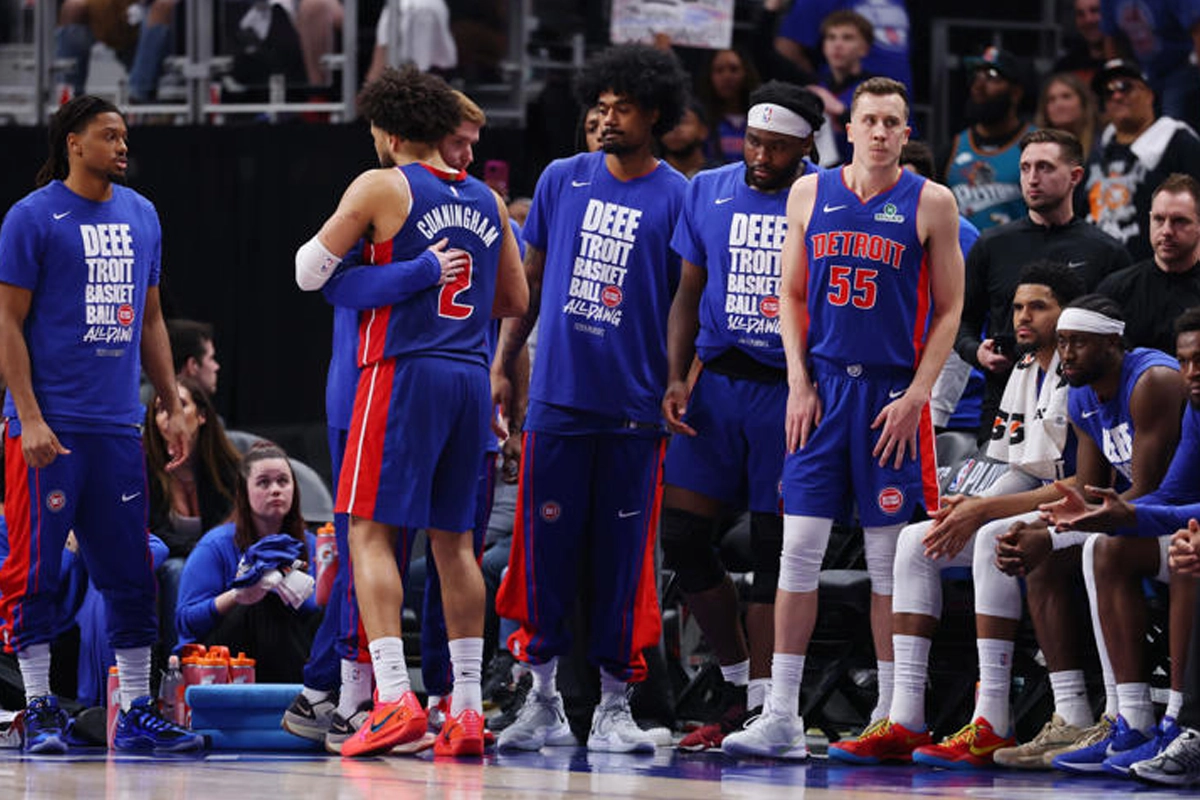
The Detroit Pistons Game 7 against the Cleveland Cavaliers is done — and it ended the hardest way possible. A 125–94 blowout in front of a rabid Cleveland crowd. No overtime drama, no controversial call to lean on. Just a clinical, dominant performance from a team that had more answers when it mattered most. Detroit fought hard to reach this moment, and for stretches of this series they looked like genuine contenders. But Game 7 told a different story entirely — one every Pistons fan will be replaying all summer long.
A Series That Gave Detroit Fans Real Hope
To understand how painful this exit feels, you have to appreciate what the Pistons actually accomplished getting here. This was Detroit’s first meaningful playoff series win in nearly twenty years. They finished the regular season with a strong record, earned respect around the league, and came into the Eastern Conference Semifinals without anyone expecting them to push Cleveland this hard.
For six games, they did exactly that. Detroit’s defense was suffocating at times, their young core showed composure under pressure, and they won games on the road. Game 6 in particular was a statement — a gritty, physical win where the Pistons looked like they had genuinely stolen the momentum. Then came the Detroit Pistons Game 7 in Cleveland, and everything flipped.
Detroit Pistons Game 7: What Went Wrong from the Opening Tip
Back in Cleveland with a packed house behind them, the Cavaliers came out with a pace and purpose Detroit simply couldn’t match. Donovan Mitchell buried a deep buzzer-beater to end the first quarter — a gut punch before the game even hit its stride. At halftime, Cleveland led 64–47, and it wasn’t even that close in terms of feel on the floor.
Detroit’s offense went ice cold at the worst possible moment. Cade Cunningham never found his rhythm. The team shot poorly from deep, turned it over at critical moments, and gave up far too many second-chance baskets. Every time the Pistons threatened a mini run, Cleveland answered immediately with a stop or a dagger shot that smothered any momentum before it could build.
The third quarter was where the collapse became official. Cleveland pushed the lead past 20 and never looked back. Detroit was calling timeouts, switching defenses, trying anything — but nothing worked. By the fourth quarter, the margin had ballooned past 30. It was over long before the final buzzer.
Cleveland’s Depth Was the Real Killer
Mitchell finished with 26 points and was excellent throughout, but the names that really hurt Detroit were Jarrett Allen and Sam Merrill. Allen dominated the glass all night, and Merrill — who was at the center of that Game 6 flagrant foul controversy — came out with something to prove. He buried multiple early three-pointers that stretched Detroit’s defense wide open and created driving lanes for everyone else.
That depth is what separates a contender from a pretender. Cleveland could go eight or nine deep and maintain the same execution level. Detroit simply couldn’t match it, especially with the starters struggling. According to NBA.com’s official box score, Cleveland shot 52.4% from the field compared to Detroit’s 38.9% — a gap that tells the whole story.
Detroit’s Stat Line in Game 7
On the Pistons’ side, Daniss Jenkins was the quiet standout with 17 points. Cade managed 13 on a rough shooting night. Caris LeVert added 11, and Duncan Robinson gave them a little life off the bench. But the really concerning piece was the complete disappearance of Ausar Thompson, Tobias Harris, and Jalen Duren in a must-win situation. When your supporting cast goes invisible in Game 7, your margin for error drops to zero — and Detroit had none left to give.
The Flagrant Foul Moment That Defined the Series
It would be dishonest to talk about this series without revisiting Game 6’s Ausar Thompson–Sam Merrill incident. Thompson caught Merrill with what looked like an arm around the neck while fighting through a screen — a hit that sent Merrill crashing hard to the floor. The officials reviewed it and called a Flagrant 1, keeping Thompson in the game. Their reasoning: no visible “windup,” so it didn’t meet the ejection threshold.
Thompson called it a physical basketball play. Merrill, after watching the tape, admitted it felt worse in real time than it actually was. But the incident set a brutal emotional tone that carried all the way into the Detroit Pistons Game 7 defeat. Cleveland’s players said post-game that at that level of intensity, drawing the line on borderline hits consistently is nearly impossible. It was a turning point — not because of the call, but because of the energy it unleashed on both sides.
What This Season Proved About Detroit’s Future
Here’s the thing: losing in seven games to the Cleveland Cavaliers is not a failure. Not for this team, not right now. This was a genuine breakthrough season. Detroit showed they can defend at a high level, win playoff games, and compete with established contenders over the course of a brutal seven-game series.
But the offseason lessons are obvious. Shot creation beyond Cade Cunningham needs to improve significantly. Bench depth needs to be more reliable in high-leverage situations. And the team needs to build the kind of consistency that doesn’t let a Detroit Pistons Game 7 on the road short-circuit everything they built over six hard-fought nights. For Cleveland, it proves they have the grit to handle pressure when the stakes are highest. For Detroit, it’s a harsh but necessary reminder of just how thin the margin is between making that next big step and going home early.
Frequently Asked Questions
Why did the Detroit Pistons lose Game 7 to the Cavaliers?
Detroit’s offense stalled completely, with Cade Cunningham struggling to find his rhythm and key players like Ausar Thompson, Tobias Harris, and Jalen Duren going quiet. Cleveland’s depth — especially the performances of Sam Merrill and Jarrett Allen — proved too much for the Pistons to overcome on the road in a winner-take-all game.
What does the Detroit Pistons Game 7 loss mean for their future?
It’s an encouraging sign of real progress despite the painful ending. Detroit won their first playoff series in nearly twenty years, pushed a legitimate title contender to seven games, and showed a developing identity on both ends of the floor. Shot creation, bench depth, and clutch execution are the clear areas to address heading into next season.
Show Your Detroit Pride All Season Long
Win or lose, Detroit fans ride with their team through everything — and that kind of loyalty deserves to be worn. Browse our Sports & Fan Shirts collection for tees built for fans who never quit. Check our full T-Shirts range for more designs, and hit New Arrivals for the freshest drops.