

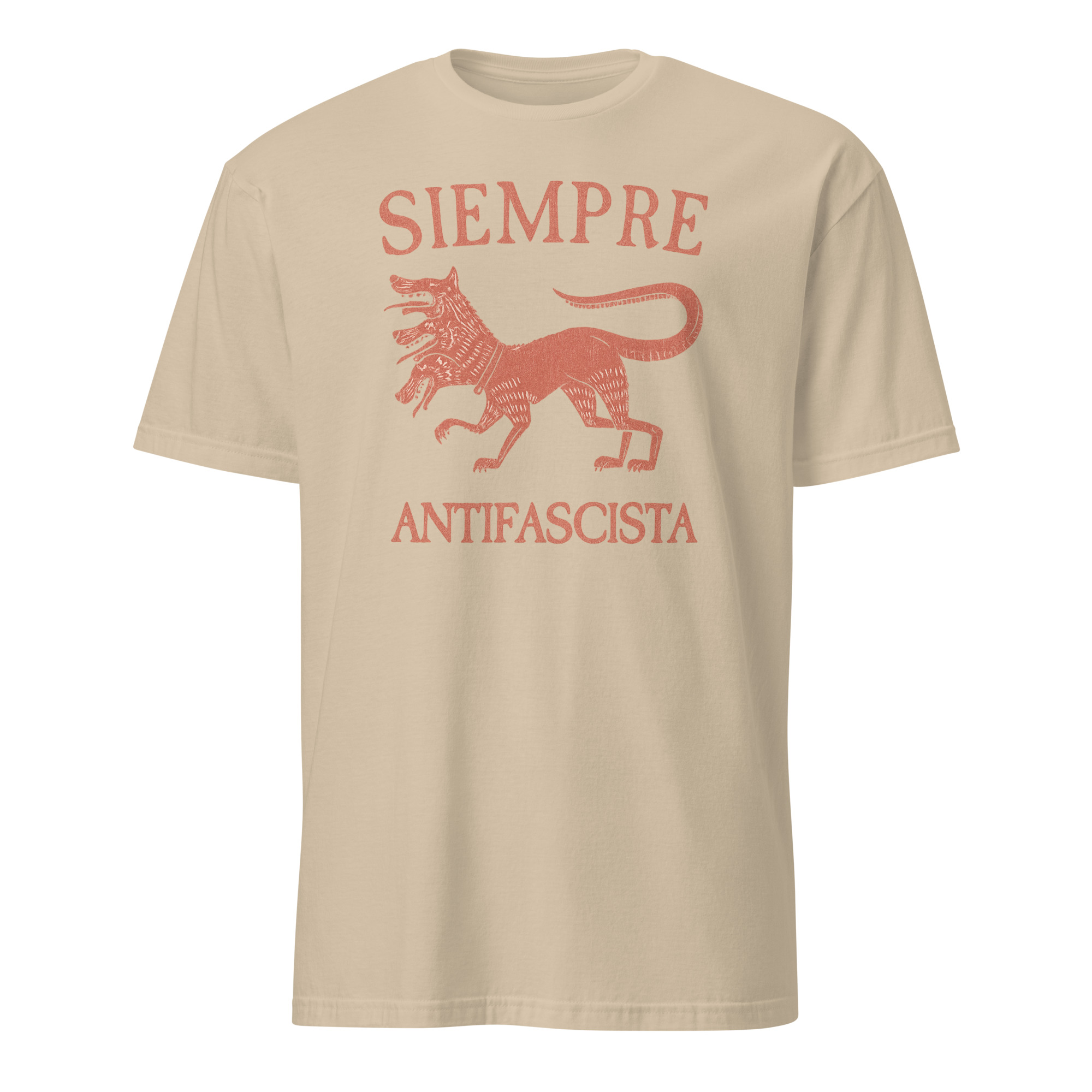

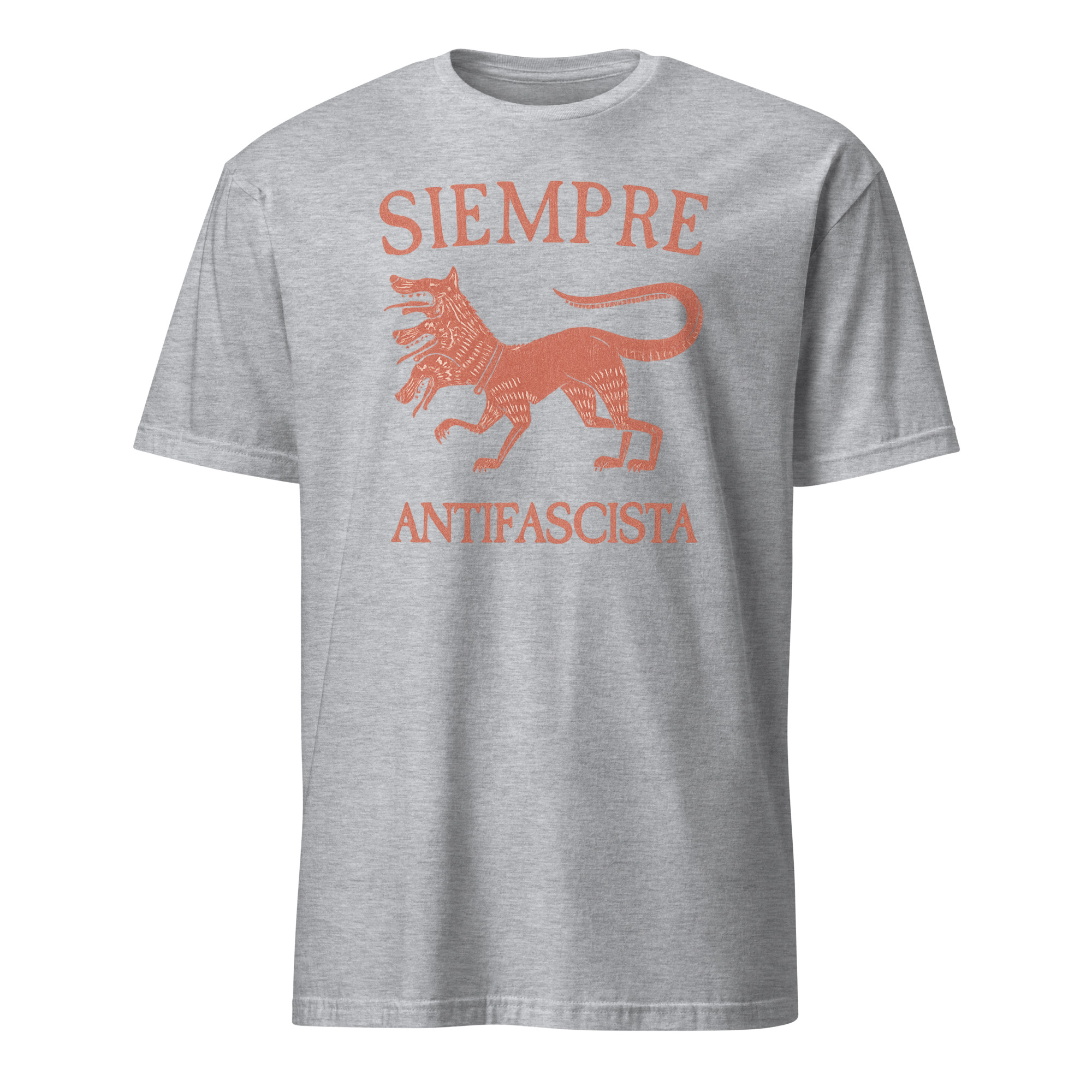
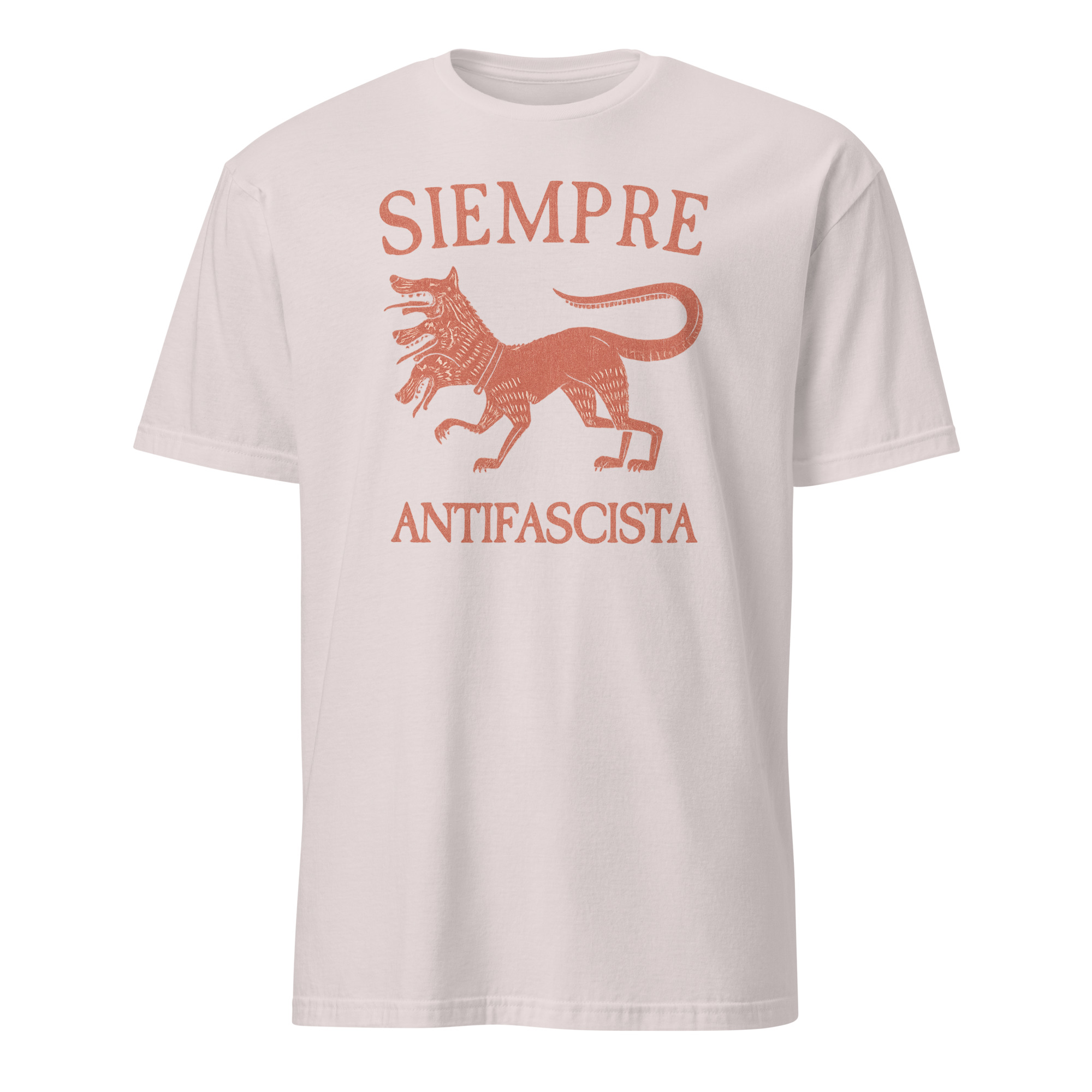

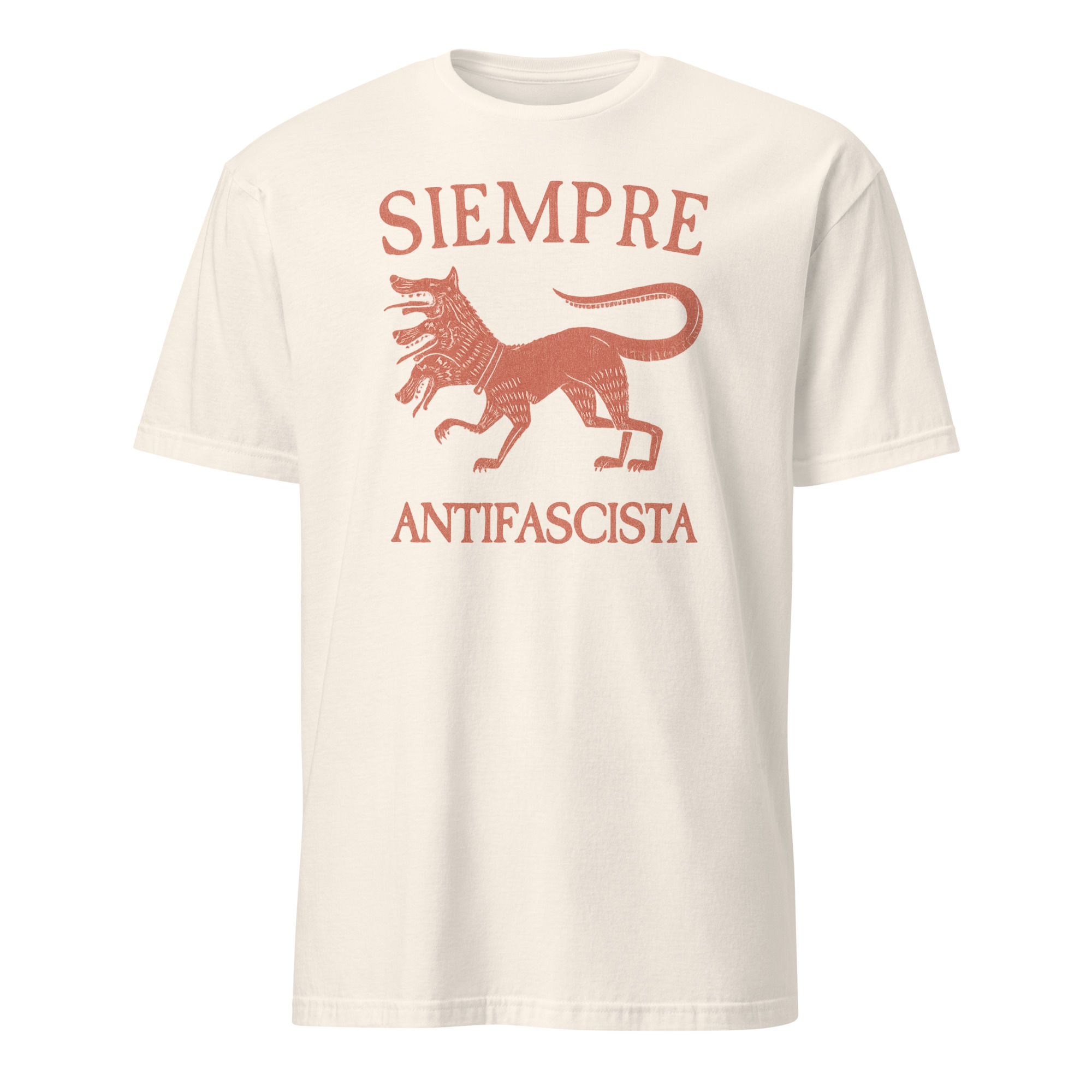


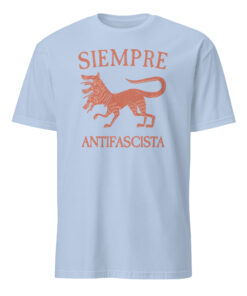

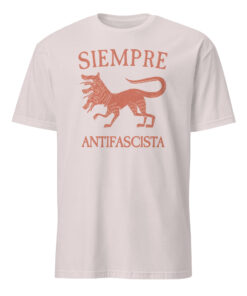

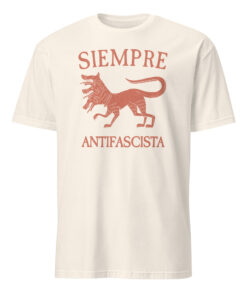
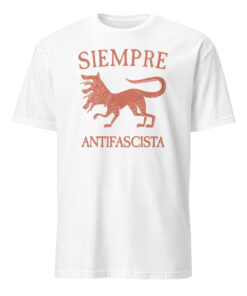
Vintage Antifascista Political Protest Shirt
$20.00
- Trusted by over 5000 customers
- Printed-on-demand for the love of nature.
- Printed and Shipped from US or Europe
- Secure Payment
Vintage Antifascista Political Protest Shirt — A Symbol of Resistance and Identity
Introduction
The Vintage Antifascista Political Protest Shirt represents more than just fashion—it is a living artifact of resistance, activism, and identity. Rooted in decades of political protest, these shirts are reminders of how clothing becomes a medium of cultural messaging. They continue to resonate today, especially within counterculture, streetwear, and activist communities.
As the history of protest fashion shows, clothing has always been a canvas for change, uniting people under shared causes. Protest apparel does not just cover the body—it communicates defiance, solidarity, and hope.
Historians also stress that these shirts are part of material culture in political movements, where garments carry meaning beyond aesthetics. According to the British Library, material objects reflect ideology, identity, and political engagement, making protest shirts powerful historical markers.
Origins of Antifascista Movements
The antifascist tradition began in Europe during the 1930s and 1940s, when resistance groups opposed authoritarian regimes. Fighters and underground networks relied on visual cues—flags, graffiti, and printed slogans—to rally support.
-
Early shirts carried bold text, often stenciled by hand.
-
Symbols like red and black flags became shorthand for unity.
-
Clothing offered a subtle but impactful way to identify allies.
Antifascista movements proved that apparel was not neutral—it could serve as a weapon of solidarity.
The Role of Clothing in Political Protest
Clothing has long been tied to identity and rebellion. In political protests, shirts are:
-
Accessible: cheap and easy to produce.
-
Visible: amplifying slogans and artwork across crowds.
-
Symbolic: turning ordinary garments into cultural artifacts.
As noted in clothing as political identity, apparel plays a central role in expressing collective belonging, making protest shirts enduring statements of resistance.
Evolution of Antifascista Shirt Designs
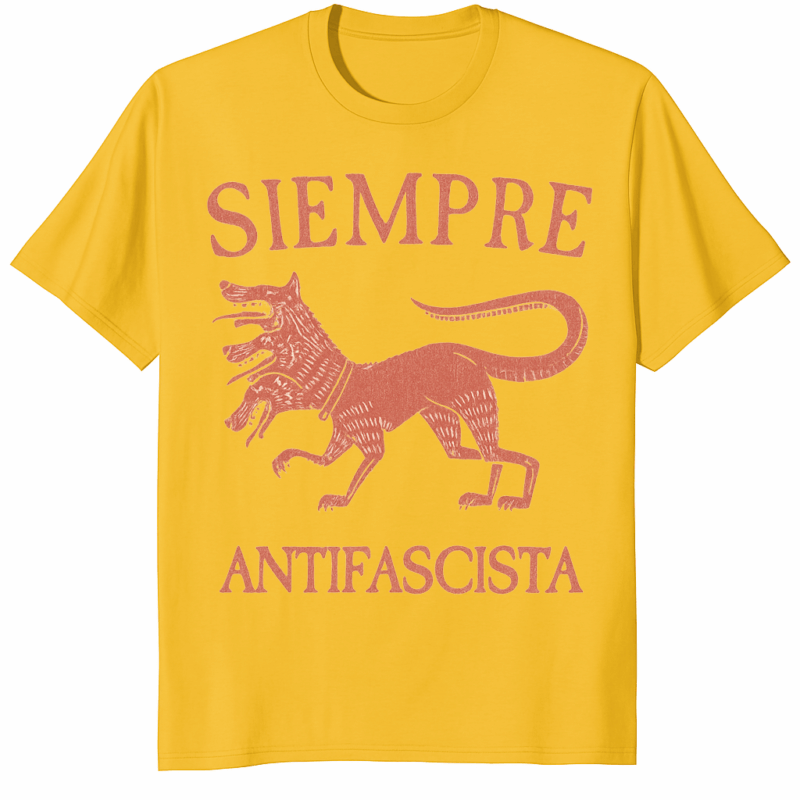
Designs evolved as antifascism adapted through the decades:
-
Core motifs: fists, antifascist circles, bold typefaces.
-
Punk & DIY era (1970s–1980s): raw prints, distressed fabrics, underground zines.
-
Regional variations:
-
Italy: strong antifascista slogans.
-
Germany: Antifa double-circle emblem.
-
U.S.: punk and hardcore bands driving antifascist imagery.
-
Every wave brought new creativity, but the central message stayed unchanged: resistance to oppression.
The Connection Between Vintage Style and Modern Activism
Vintage antifascista shirts remain popular because they merge nostalgia and politics.
-
Younger generations use vintage aesthetics as symbols of rebellion.
-
Streetwear culture integrates these shirts into everyday outfits.
-
Wearing vintage protest shirts reinforces continuity with past movements.
Nostalgia itself becomes a political statement, making these shirts relevant in both activism and style.
Collecting Vintage Antifascista Political Protest Shirts
Collectors value these shirts as historical and cultural artifacts.
-
Common sources: flea markets, thrift stores, online auctions.
-
Authenticity markers: aged fabric, fading ink, old tag designs.
-
Collectible value comes from:
-
Scarcity of production.
-
Direct links to protests or subcultures.
-
Distinctive graphics or slogans.
-
Owning one feels like holding a fragment of political history.
Styling a Vintage Antifascista Shirt
Modern styling often blends political statement with fashion.
-
Wear with denim, boots, and leather jackets for a classic rebel look.
-
Integrate into streetwear with sneakers, oversized fits, and cargo pants.
-
Layer under jackets or cardigans to keep the shirt subtle but symbolic.
The right styling allows the shirt to speak without overpowering.
Fabric, Comfort & Durability
Beyond cultural symbolism, these shirts also shine in their construction quality. Printful’s production ensures that each Vintage Antifascista Political Protest Shirt is built for long-lasting wear:
-
Made of 100% ring-spun cotton for softness and comfort.
-
Sport Grey blends: 90% cotton, 10% polyester.
-
Dark Heather blends: 65% polyester, 35% cotton.
-
Lightweight yet durable at 4.5 oz/yd² (153 g/m²).
-
Shoulder-to-shoulder taping adds structure and prevents stretching.
-
Double-stitched neckline and sleeves enhance durability for everyday use.
-
Quarter-turned fabric avoids center creasing, keeping the design crisp.
This makes it not only a symbol of activism but also a staple piece of your wardrobe.
The Ethics of Wearing Political Protest Shirts
These shirts carry powerful symbols, making context important.
-
Solidarity vs. trend: wear them consciously, not as empty fashion.
-
Risk of misinterpretation: some symbols may confuse or provoke.
-
Engagement: learn the history behind the shirt before wearing it publicly.
Wearing such a shirt means respecting its legacy.
Where to Buy Vintage Antifascista Political Protest Shirts Today
Modern buyers can find them through:
-
Independent vintage clothing shops.
-
Online platforms like Etsy, eBay, Depop.
-
Ethical reproduction labels that prioritize activist causes.
Avoid mass-produced fast fashion copies, which strip the design of its meaning.
FAQs
What does “Antifascista” mean?
It translates to anti-fascist, a political identity opposing authoritarianism.
Why are antifascist shirts important in political history?
They symbolize solidarity in resistance movements, bridging activism and culture.
How can I tell if a shirt is authentic?
Check age signs: fading, cotton softness, and original tag details.
Are antifascist shirts controversial to wear?
Yes, they can spark debate, depending on local political climates.
What materials were early protest shirts made from?
Mostly cotton, with hand-applied ink prints.
What makes them collectible?
Scarcity, cultural significance, and connection to events or bands.
Is it ethical to resell them?
Yes, when done with respect to their historical meaning.
Conclusion
The Vintage Antifascista Political Protest Shirt embodies both fashion and activism. It connects generations of resistance, reminding us that what we wear can challenge power structures and unite communities.
Thanks to modern production standards—like ring-spun cotton, reinforced stitching, and durable construction—these shirts stand as both cultural icons and wardrobe staples.
Whether collected as historical artifacts, styled as vintage fashion, or worn in solidarity, they carry the legacy of antifascism forward. To wear one is to honor decades of cultural resistance—where history and style meet.
Be the first to review “Vintage Antifascista Political Protest Shirt”
You must be logged in to post a review.
Related products




Reviews
There are no reviews yet.